
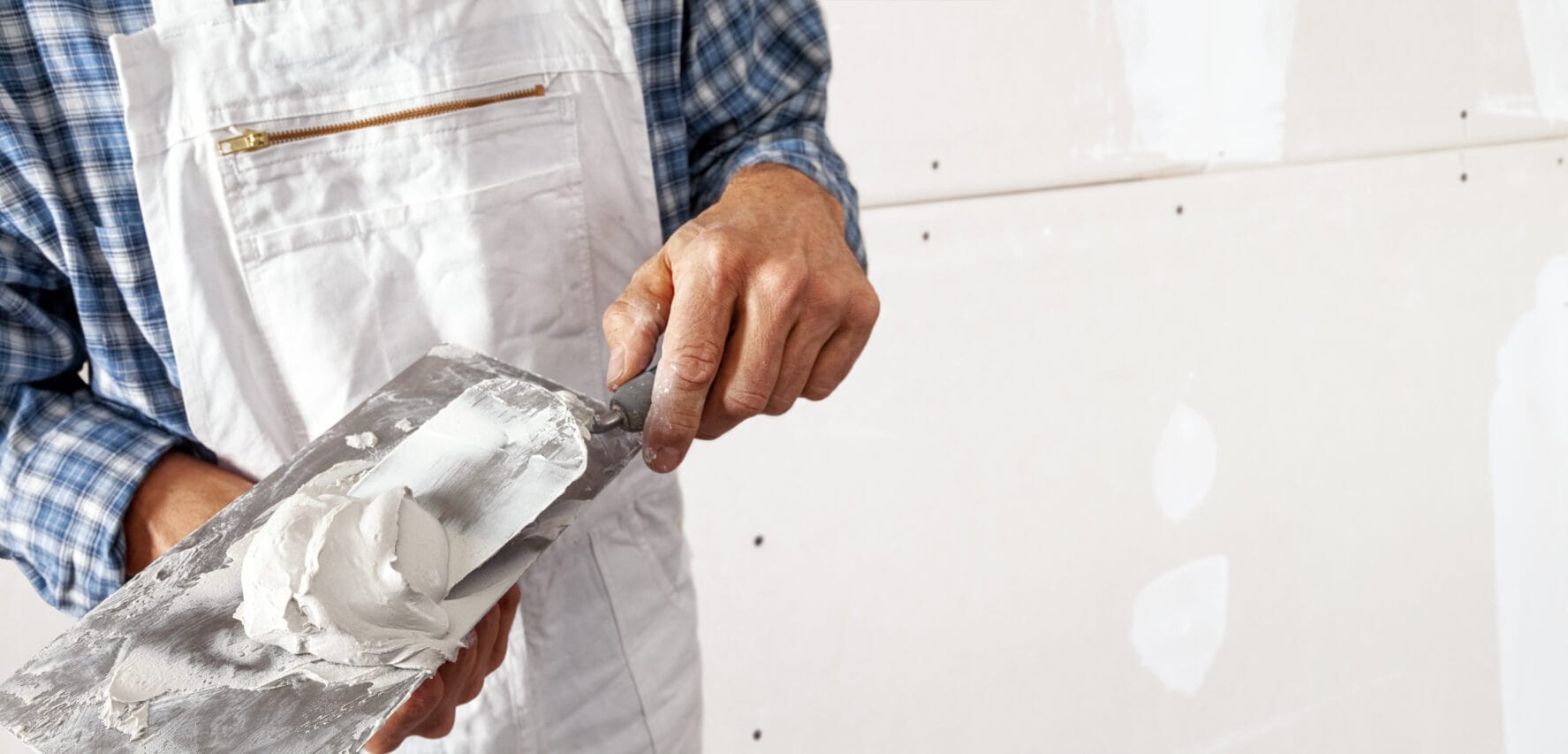
When planning a home renovation or repairing damaged walls, one of the most common questions homeowners ask is, "What's the difference between drywall and plaster?" While both materials create smooth, finished walls and ceilings, they differ in how they're constructed, installed, repaired, and maintained. Each has its own advantages depending on the age of your home, your renovation goals, and your budget.
Whether you're restoring a historic home, repairing water damage, or planning a remodel, understanding the differences between drywall and plaster can help you make informed decisions. In this guide, we'll explain the pros and cons of each material, how to tell which type of wall you have, and when it's best to repair, replace, or preserve your existing walls.
What is Drywall?
Drywall—also known as gypsum board, wallboard, or Sheetrock—is the most common wall material used in modern homes. It consists of a gypsum core sandwiched between durable layers of heavy paper, creating lightweight yet sturdy panels that are easy to install. Today,
drywall is the standard wall system used in most new homes and remodeling projects because it's efficient, affordable, and easy to repair. Its versatility and affordability make it an excellent choice for everything from basement finishing and room additions to complete home renovations.
Advantages
- Faster installation than plaster
- Lower material and labor costs
- Easier to repair after damage
- Provides a smooth surface ready for paint
- Available in moisture-resistant, mold resistant, and fire-rated options
Disadvantages
- More susceptible to dents and impact damage
- Doesn’t provide the same solid feel as plaster
- Can be damaged by prolonged moisture exposure if standard drywall is used
What is Plaster?
Plaster walls are created by applying multiple layers of wet plaster over a supporting framework called lath. In many historic homes, this framework consists of narrow wooden strips known as wood lath, while newer plaster systems may use expanded metal lath or gypsum lath. Before drywall became the standard building material in the mid-20th century, plaster was the primary
method for finishing interior walls and ceilings. As a result, you'll commonly find plaster walls in homes built before the 1950s. Its craftsmanship and timeless appearance make it a defining feature of many older and historic homes.
Advantages
- Extremely durable and long lasting
- Excellent sound insulation
- Resistant to everyday wear and scratches
- Creates a solid, premium feel
- Ideal for preserving historic architecture
- Can accommodate decorative textures and ornamental details
Disadvantages
- Higher installation costs
- Labor-intensive application process
- Longer drying and curing times
- More difficult and expensive to repair
- Requires specialized craftmanship
How Do You Know Which Type of Wall You Have?
A home's age is often the biggest clue.
- Homes built before the 1950s are more likely to have plaster walls.
- Homes built after the 1960s almost always use drywall.
- Homes built during the 1950s may have either material, especially if they've been renovated over the years.
Gently knock on the wall with your knuckles.
- Drywall tends to sound slightly hollow because it's attached directly to wall studs.
- Plaster usually sounds solid and dense since it's applied over wood or metal lath.
Remove the cover plate from an outlet or light switch (after turning off the power for safety) and look at the exposed edge of the wall.
- Drywall has a gypsum core covered with paper and is typically about 1/2 inch or 5/8 inch thick.
- Plaster is often thicker and may reveal multiple layers over narrow wood strips (wood lath) or metal lath.
The way walls crack can also provide clues.
- Drywall is more likely to develop straight cracks along seams or joints.
- Plaster often develops thin, spiderweb-like or irregular cracks as the material naturally ages.
Which is Better for Repairs?
The answer depends on the type of wall you already have.
If your home has drywall, repairing holes, dents, or water damage is usually straightforward. Damaged sections can often be cut out and replaced with new drywall before finishing and painting. If your home has plaster, repairs require a different approach. Small cracks can often be patched, while loose or crumbling plaster may need to be stabilized or rebuilt. In some cases, severely damaged plaster is replaced with drywall while preserving the home's overall appearance.
Can Drywall Match Existing Plaster?
Yes. Skilled drywall professionals can often blend new drywall into existing plaster so the transition is virtually invisible after painting. Techniques such as skim coating, texture matching, and careful finishing allow repaired or remodeled areas to blend seamlessly with the original walls.
Bottom Line
If you're building new, remodeling, or repairing modern walls, drywall is typically the most practical, cost-effective solution. It installs quickly, repairs easily, and delivers a clean, durable finish.
If you own an older or historic home, plaster may be worth preserving for its durability, craftsmanship, and architectural character.
Whether your walls need minor repairs, water damage restoration, or a complete renovation, working with experienced professionals ensures the finished product looks seamless and stands the test of time.
0 Comments