
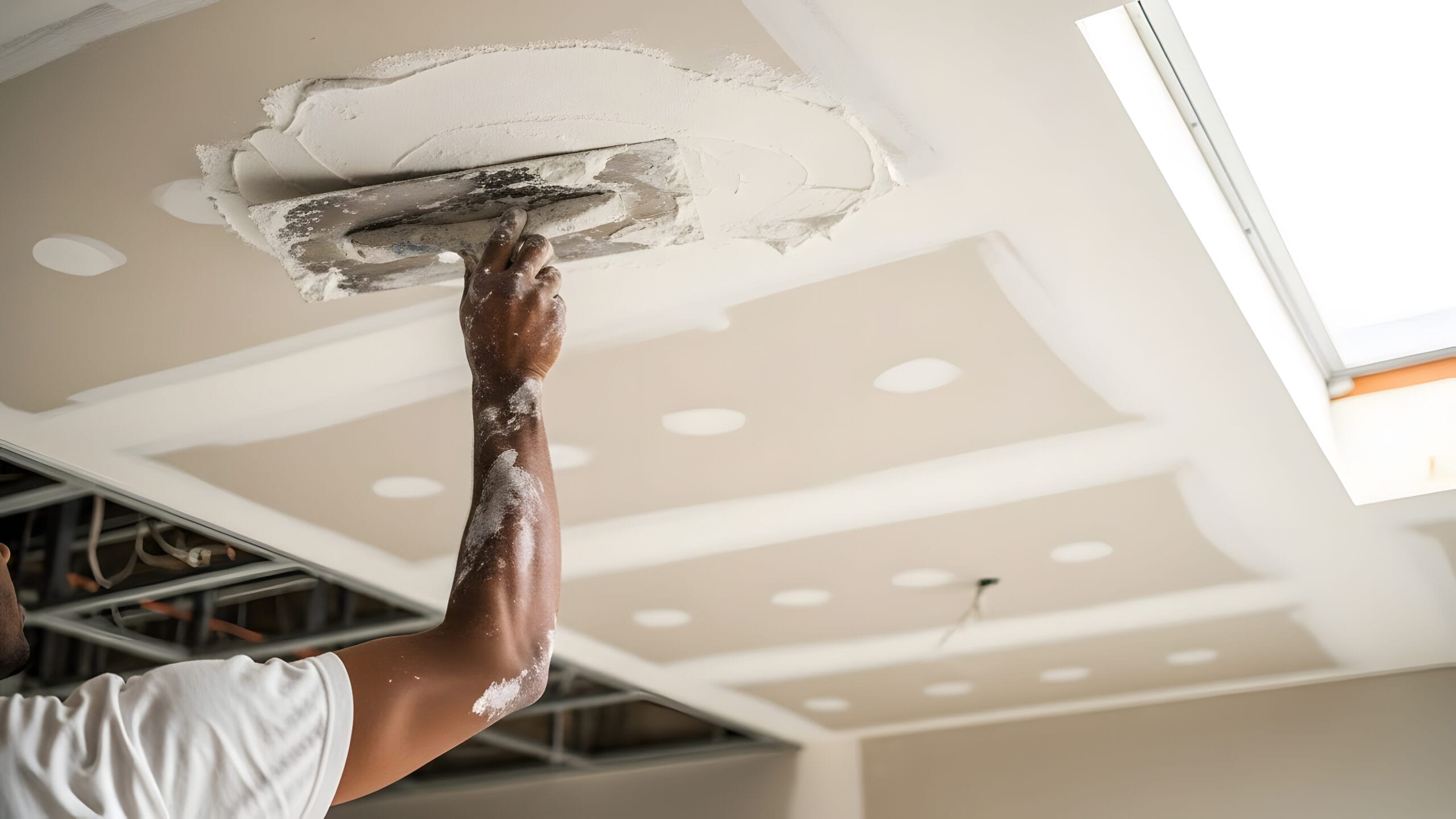
When most homeowners think of drywall, they picture the go-to ½’’ white panels that typically make up the walls and ceilings inside of a home. Not all drywall is the same, however. There are different types of drywall that are designed for different needs – environmental, moisture levels, fire ratings, and durability. Choosing the right drywall for your space can improve the longevity, safety, and performance of your home.
Whether you’re building a new home, renovating an existing space, or finishing a basement, understanding the different types of drywall and their uses can help you make smart decisions during the construction process.
Standard Drywall
This is the most common type of drywall and is standard for the interior of most residential homes. It is affordable, versatile, and easy to install and finish. This drywall is typically ½’’ thick, but thicker options are sometimes used in ceilings or for areas with a need for better noise control.
Best Used In:
- Bedrooms
- Living rooms
- Hallways
- Ceilings
Moisture-Resistant Drywall
Commonly referred to as “Green Board,” this drywall is used in areas that are exposed to humidity and occasional moisture. While it's not fully waterproof, it offers more protection against moisture than your standard drywall.
Best Used In:
- Bathrooms
- Laundry rooms
- Kitchens
- Utility rooms
Mold-Resistant Drywall
If you want to take moisture protection a step further, this fiberglass faced drywall could be just what you’re looking for. The fiberglass makes it much less susceptible to mold growth, which is great for areas with poor ventilation.
Best Used In:
- Basements
- Bathrooms
- Homes in humid climates
- Areas with previous water damage concerns
Fire-Resistant Drywall
Also known as Type X drywall, fire-resistant drywall is designed with special non-combustible fibers that help slow the spread of fire. It is thicker and denser than the standard drywall, providing extra protection in case of a fire emergency. Building codes may require this drywall in certain parts of a home for added safety measures.
Best Used In:
- Garages
- Furnace rooms
- Shared walls in multifamily homes
- Areas with fireplaces or wood stoves
Choosing the Right Drywall Matters
Choosing the right drywall for your space isn’t just about meeting codes – it's about protecting your investment. Moisture-prone areas require materials that are designed to resist water damage, while high-traffic or specialized spaces may need added durability. The right drywall can extend the life of your walls and ceiling, prevent costly repairs, and enhance the comfort and energy efficiency of your home.
When planning a renovation or construction project, it’s always worth discussing these options with a qualified contractor to ensure that your materials match your home’s needs.
0 Comments