
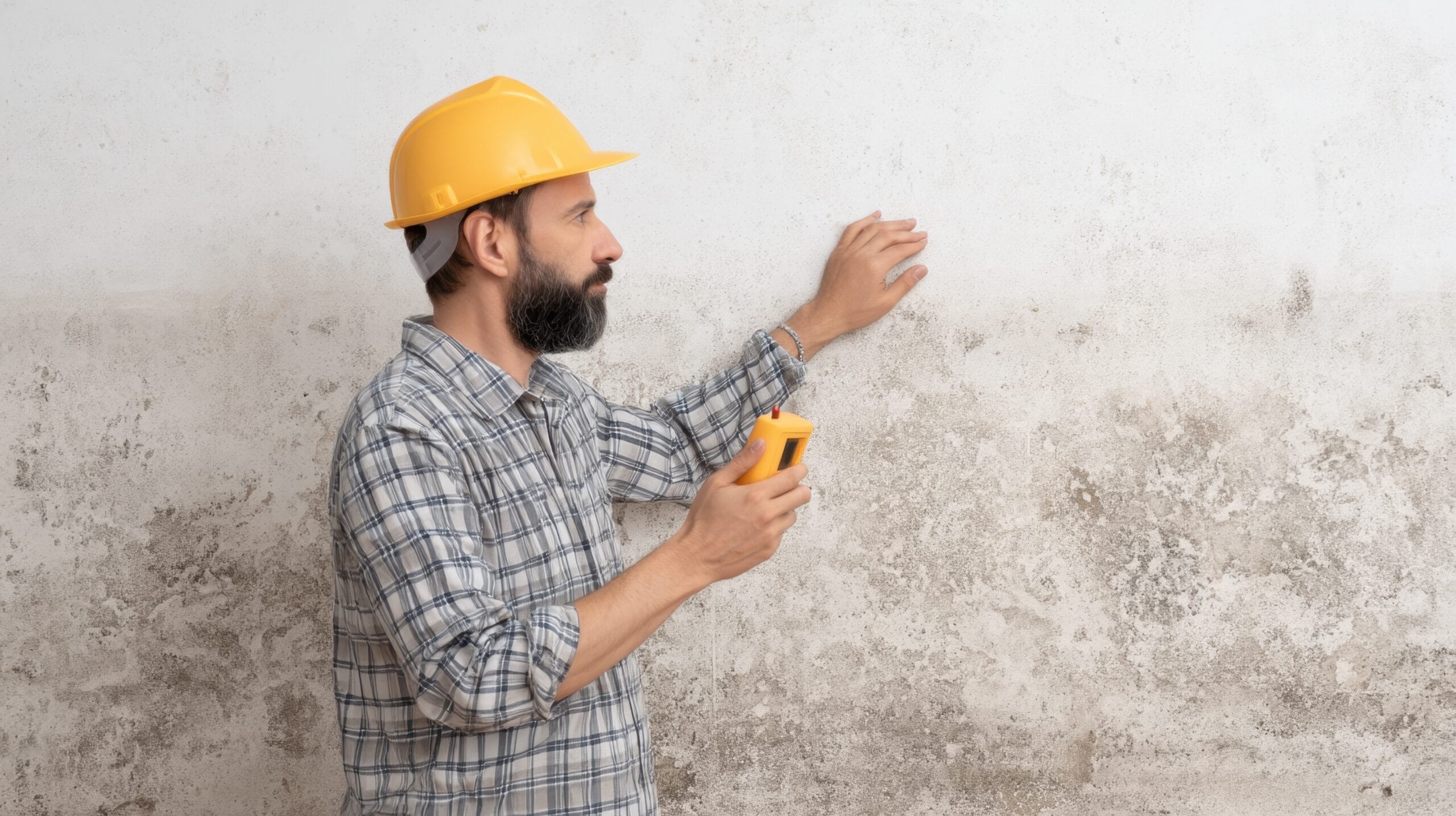
Summer heat brings increased humidity, and excess moisture in the air can take a toll on your home drywall. Because drywall is made of gypsum and paper, it naturally absorbs moisture from the air. When humidity levels become too high, drywall damage can become both a structural concern and a potential health hazard due to mold and mildew growth.
For optimal stability, indoor humidity levels should stay between 30% - 50%. However, Pennsylvania summers often bring outdoor humidity levels averaging 65% - 75%, making it crucial to keep your home cool and prevent harm to your home and your health.
Common Signs of Humidity Damage in Drywall
Here are some common signs that your drywall may be suffering from humidity damage:
- Cracks forming along seams or joints
- Bubbling, peeling, or uneven paint
- Sagging ceilings or warped walls
- Nail or screw pops
- Musty odors or visible mold or mildew
- Stains or discoloration
Rooms Most Vulnerable to Drywall Moisture Damage
The rooms that are most vulnerable to humidity damage are areas that naturally collect more moisture, have poor ventilation, or experience frequent temperature changes. These include:
- Bathrooms - Constant steam
- Basements - Naturally damp conditions with limited airflow
- Kitchens - Cooking and dishwashers add moisture to the air
- Laundry Rooms - Check that your dryer vents are working properly
- Attic - Poor ventilation and trapped heat during hotter months
- Garage - Unconditioned spaces are more exposed to outdoor humidity
- How to Prevent Drywall Damage from High Humidity
How to Prevent Drywall Damage from High Humidity
Preventing drywall humidity damage starts with controlling excess moisture inside of your home. A few simple steps can go a long way in protecting your walls and air quality. Here are some tips on humidity prevention:
- Use and maintain HVAC systems regularly
- Install dehumidifiers in damp areas
- Use and maintain exhaust fan ventilation
- Repair leaks immediately
- Seal windows and doors properly
- Use mold and mildew resistant drywall in high humidity areas
By taking proactive measures now, you can avoid the burden of expensive drywall restoration, health risks from mold, and permanent structural damage in the future. If you do notice any signs of humidity damage, try to address them early. Contact a local drywall professional to inspect the damage and prepare your home for this Summer season.
0 Comments